
Introduction to Automatic Litter Boxes
Automatic litter boxes have emerged as a revolutionary solution for cat owners seeking more effective ways to manage their pets’ waste. These innovative devices are designed to automate the cleaning process, minimizing the time and effort required to maintain a litter box. Unlike traditional boxes, which necessitate regular scooping and cleaning by the owner, automatic litter boxes utilize advanced technology to detect when a cat has used the box and subsequently perform self-cleaning actions.
The functioning of an automatic litter box typically involves sensors that identify the presence of a cat. Once the cat exits the litter area, the device engages its cleaning mechanism after a predetermined interval. This often includes raking the litter to collect clumps and depositing them into a waste compartment that can be easily disposed of by the owner. Such a system greatly reduces odors and enhances cleanliness in the home, factors that many pet owners find appealing.
Recently, there has been a notable rise in the popularity of automatic litter boxes, particularly among cat enthusiasts who lead busy lifestyles and seek convenience without compromising their pets’ care. As the awareness surrounding pet cleanliness and hygiene grows, these self-cleaning litter solutions have become increasingly attractive. Additionally, many modern versions now come with features that track a cat’s health through waste monitoring, adding another layer of utility beyond simple waste management. Overall, the automatic litter box represents not only a step towards easier maintenance for pet owners but also reflects the evolving relationship between technology and pet care.
Benefits of Using an Automatic Litter Box
Automatic litter boxes have gained popularity among cat owners due to their numerous advantages. One of the primary benefits is the significant reduction in the frequency of litter changes required. Traditional litter boxes necessitate regular manual scooping and cleaning, which can be time-consuming and unpleasant. In contrast, an automatic litter box performs the tedious task of cleaning up waste on its own, allowing pet owners to enjoy more time free from the hassle of maintenance.
In addition to convenience, automatic litter boxes are also effective in minimizing odors in the home. Many models are equipped with odor control features, such as carbon filters or enclosed designs that help trap unpleasant smells. This ensures that your living environment remains fresh and pleasant, even in homes with multiple cats or larger breeds that may produce more waste.
Another important consideration is the potential for improved hygiene. Manual litter boxes can harbor bacteria and parasites, especially when waste is not cleaned promptly. By utilizing an automatic litter box, the spread of germs is significantly reduced, as the box actively disposes of waste on a regular schedule. This not only creates a cleaner environment for the pets but also contributes to the overall health and well-being of both the cat and its owner.
Moreover, an automatic litter box provides a consistent and comfortable space for cats to perform their business. Cats are creatures of habit, and a clean and reliable place to relieve themselves helps ensure their comfort and reduces the likelihood of litter box aversion. By investing in an automatic litter box, pet owners can enjoy a hassle-free cat care solution that ultimately promotes a happier and healthier pet.
How Automatic Litter Boxes Work
Automatic litter boxes are a technological advancement designed to simplify the task of maintaining a clean environment for cats and their owners. These devices utilize a variety of sensors to determine when a cat has used the box. Most models come equipped with motion sensors that detect the presence of a cat, initiating a cleaning cycle after a specified period of time, usually ranging from several minutes to half an hour.
Upon detection, the cleaning mechanism activates to remove waste. There are different types of automatic litter boxes available on the market. Rake-style litter boxes use a rake mechanism that sweeps through the litter, consolidating clumps of waste into a designated area for easy disposal. This method is efficient and allows for minimal manual intervention, ensuring the litter box remains fresh for your cat. Additionally, some models integrate a self-flushing system which utilizes water to wash away waste, providing an even lower-maintenance option.
The technology behind these devices varies, but most models feature a drawer or receptacle that collects waste for disposal, reducing odor and mess. The sensors often monitor litter levels as well, signaling when litter needs replenishment. Automatic litter boxes can also cater to different litter types, although some designs may be optimized for specific materials.
Moreover, many modern units come with added functionalities such as mobile app integration, allowing pet owners to monitor their cats’ usage habits in real-time. This feature is particularly beneficial for tracking health changes, as variations in litter box usage can indicate potential health issues. Overall, automatic litter boxes offer a combination of convenience and innovation, making them a preferred choice for feline companions and their owners.
Popular Brands and Models of Automatic Litter Boxes
Automatic litter boxes have gained considerable popularity due to their convenience and efficiency in maintaining a clean environment for both cats and their owners. Several brands have emerged as leaders in this market, each offering unique models with distinctive features. Understanding these options can aid cat owners in selecting the ideal automatic litter box that meets their needs.
One of the most renowned brands is PetSafe. Their ScoopFree Ultra model is widely recognized for its high-quality performance and ease of use. With a self-cleaning mechanism that utilizes crystal litter to absorb moisture and odors, it effectively reduces the need for daily maintenance. PetSafe’s products typically range from $150 to $200, making them a mid-priced option among automatic litter boxes.
Another notable brand is Litter-Robot, particularly their Litter-Robot 4 model. This innovative product is designed with a patented sifting system that allows for seamless waste removal, and it can accommodate multiple cats due to its spacious design. Priced around $500, it stands out due to its advanced technology that includes Wi-Fi capabilities and a smartphone app for monitoring waste levels, making it a premium option. Users often praise its durability and overall performance.
CatGenie is also a significant player in the automatic litter box market with its self-flushing feature that utilizes washable granules instead of traditional litter. While it has a higher upfront cost, approximately $300, its unique approach to cat waste disposal earns positive reviews from those looking for an eco-friendly solution.
In summary, these leading brands—PetSafe, Litter-Robot, and CatGenie—offer diverse models of automatic litter boxes, catering to various preferences and budgets. By examining their features, price points, and customer feedback, cat owners can make informed choices and enjoy a hassle-free experience in caring for their furry companions.
Maintenance and Cleaning of Automatic Litter Boxes
Proper maintenance and cleaning of automatic litter boxes are essential for ensuring their longevity and optimal performance. Regular upkeep not only maintains hygiene but also prevents malfunctions that could hinder the effectiveness of these devices. One of the primary components of an automatic litter box is the cleaning mechanism. This feature typically involves a rake system that sifts through the litter, automatically removing clumps and waste at predetermined intervals. Familiarizing yourself with this mechanism is crucial for effective troubleshooting and maintenance.
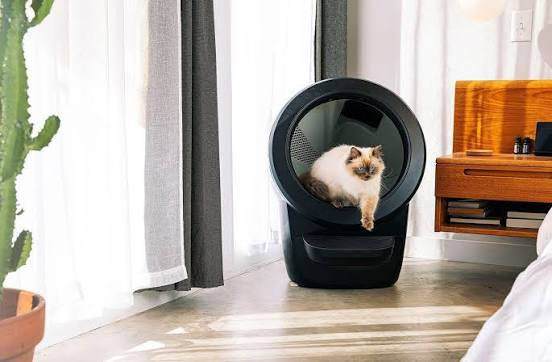
To maintain an automatic litter box, begin by following the manufacturer’s recommendations for cleaning frequency. Generally, a weekly deep clean is advisable. Start by unplugging the unit and removing the waste container, which is often lined with a disposable tray. Dispose of the waste properly and wash the container with warm, soapy water. Avoid using harsh chemicals that could damage the electronic components. After washing, make sure to thoroughly dry the container before reassembling the unit.
In addition to the waste container, it’s important to regularly check the raking mechanism for any debris that may impede its function. Cleaning the rake and ensuring that it moves freely will help avoid potential jams. Moreover, inspect the sensors and any electronic parts for dust buildup, as this can affect the box’s performance. If the automatic litter box is equipped with a filter to reduce odors, remember to replace it periodically as directed by the manufacturer.
Common issues may include the rake getting stuck or the sensors not responding. If you encounter such problems, often a simple cleaning or repositioning of the litter may resolve the issue. Additionally, using the appropriate type and quality of litter can enhance the functioning of the automatic litter box. Regular maintenance not only keeps the device in top working order but also provides a clean and healthy environment for your feline friend.
Considerations Before Purchasing an Automatic Litter Box
When contemplating the acquisition of an automatic litter box, several key factors warrant consideration to ensure the best possible choice for both the feline and the owner. Firstly, the size of the automatic litter box is crucial. Cats, regardless of their size and breed, require adequate space to move, dig, and bury their waste comfortably. Therefore, assessing your cat’s size and comparing it to the dimensions of various models available is essential.
Secondly, the available space in your home plays a significant role in the selection process. While automatic litter boxes come in various designs, not every model is suitable for all living situations. For apartments or homes with limited space, a compact design may be more appropriate, while larger homes may accommodate more spacious models. Additionally, consider placing the litter box in a private, quiet area where your cat feels safe while using it.
Furthermore, understanding your cat’s behavior is an essential aspect to factor into your decision. Some cats may require additional time to adjust to a mechanized system compared to conventional litter boxes. If your cat is particularly skittish or has had negative experiences with automated devices, you might want to observe their behavior before making a selection. It’s also important to note that certain models are designed specifically for particular cat behaviors, and selecting a box that aligns with your pet’s preferences will enhance the overall experience.
Lastly, budget constraints should not be overlooked. Automatic litter boxes are available across a wide price spectrum, from basic models to advanced versions equipped with intricate features. Determining how much you are willing to spend can help narrow your options, ensuring you acquire a model that meets your requirements without overspending.
Common Misconceptions About Automatic Litter Boxes
There are several misconceptions surrounding the use of automatic litter boxes that can deter pet owners from making the switch. One prevalent concern is the safety of these devices. Many cat owners worry that their pet might get injured while the litter box is in operation. However, most modern automatic litter boxes are designed with safety features, including sensors that detect the presence of a cat, which halt the cleaning process to prevent any harm. These advancements make using an automatic litter box considerably safe for felines of all sizes.
Another common myth pertains to odor control efficacy. Some skeptics believe that automatic litter boxes do not manage odors as effectively as traditional litter boxes. In reality, many models incorporate innovative designs and odor-neutralizing features to manage waste and odors efficiently. Users often find that, when equipped with high-quality litter, automatic litter boxes can significantly reduce unpleasant smells. Regular maintenance and cleaning also play a crucial role in overall odor control.
Additionally, adaptability to automatic litter boxes is another prevalent worry. New cat owners may fear their pets will reject the new system. While it is true that some cats may be hesitant to adjust initially, most cats can adapt quite well with proper introduction methods. Gradually transitioning a cat to the automatic litter box, such as placing it next to the old box or allowing time for familiarization, often leads to a successful adaptation. Ultimately, understanding these misconceptions can help pet owners make more informed decisions and embrace the convenience of automatic litter boxes.
User Testimonials and Experiences
Transitioning to an automatic litter box can be a significant change for both cats and their owners. Numerous testimonials from cat owners reveal a variety of experiences that highlight the advantages and challenges associated with these modern litter solutions.
One user, Sarah, shared her experience after purchasing an automatic litter box for her two cats. She noted a marked reduction in the time spent on daily litter maintenance. “Now, I no longer need to scoop litter multiple times a day,” she said. This time-saving aspect of an automatic litter box was a game-changer for her busy lifestyle. Additionally, she appreciated the cleaner home environment, as the automated system takes care of waste more efficiently than manual methods, leading to fewer odors and a fresher atmosphere.
However, not all experiences have been entirely positive. James, another cat owner, mentioned the initial complications encountered while introducing the automatic litter box to his cat. “At first, my cat was hesitant to use it. It took some time for him to adjust to the sounds and movements of the machine,” he explained. This adjustment period is a common challenge for many, as cats are often sensitive to changes in their environment.
Some users emphasized the importance of choosing the right model. For instance, Rachel noted that her large breed cat required a spacious automatic litter box. “Not all models are designed for bigger cats, so I had to research extensively before making my purchase,” she advised. This highlights the necessity of considering the needs of one’s pets when opting for an automatic litter solution.
Overall, these testimonials illustrate that while automatic litter boxes provide many benefits such as convenience and cleanliness, they may also pose challenges during the adaptation phase. Each cat’s unique personality and preferences play a crucial role in determining the success of the transition to this useful cat care tool.
Conclusion and Final Thoughts
As we have explored throughout this guide, automatic litter boxes present a convenient solution for cat owners looking to simplify their pet care routine. These innovative devices significantly reduce the frequency of manual cleaning, allowing pet owners to maintain a fresher living environment for both themselves and their feline companions. The automation of the litter scooping process enhances hygiene and can alleviate some of the more tedious aspects of cat ownership.
However, it is essential to recognize the potential downsides associated with automatic litter boxes. Some models can be more expensive upfront than traditional litter boxes, and the technology may not be suitable for every cat, especially those with behavioral issues. Additionally, while some automatic litter boxes may require specific types of litter that could increase long-term costs, others offer compatibility with standard litters, providing flexibility to the owner.
Ultimately, before deciding on investing in an automatic litter box, pet owners should carefully consider their cat’s personality, the household dynamics, and their budget. Assessing how often they can devote time to the upkeep of traditional litter solutions might also influence this decision. For those who prioritize convenience and are willing to tackle the initial learning curve for their pet, an automatic litter box can transform the daily chore of litter maintenance into a hassle-free experience.
In conclusion, the right automatic litter box can provide a win-win situation, enhancing both owner satisfaction and cat well-being. Therefore, as you weigh the pros and cons of this investment, reflect on your specific needs and the preferences of your pet to ensure a compatible and beneficial choice.
READ MORE: https://exploremedia.co.uk/
