
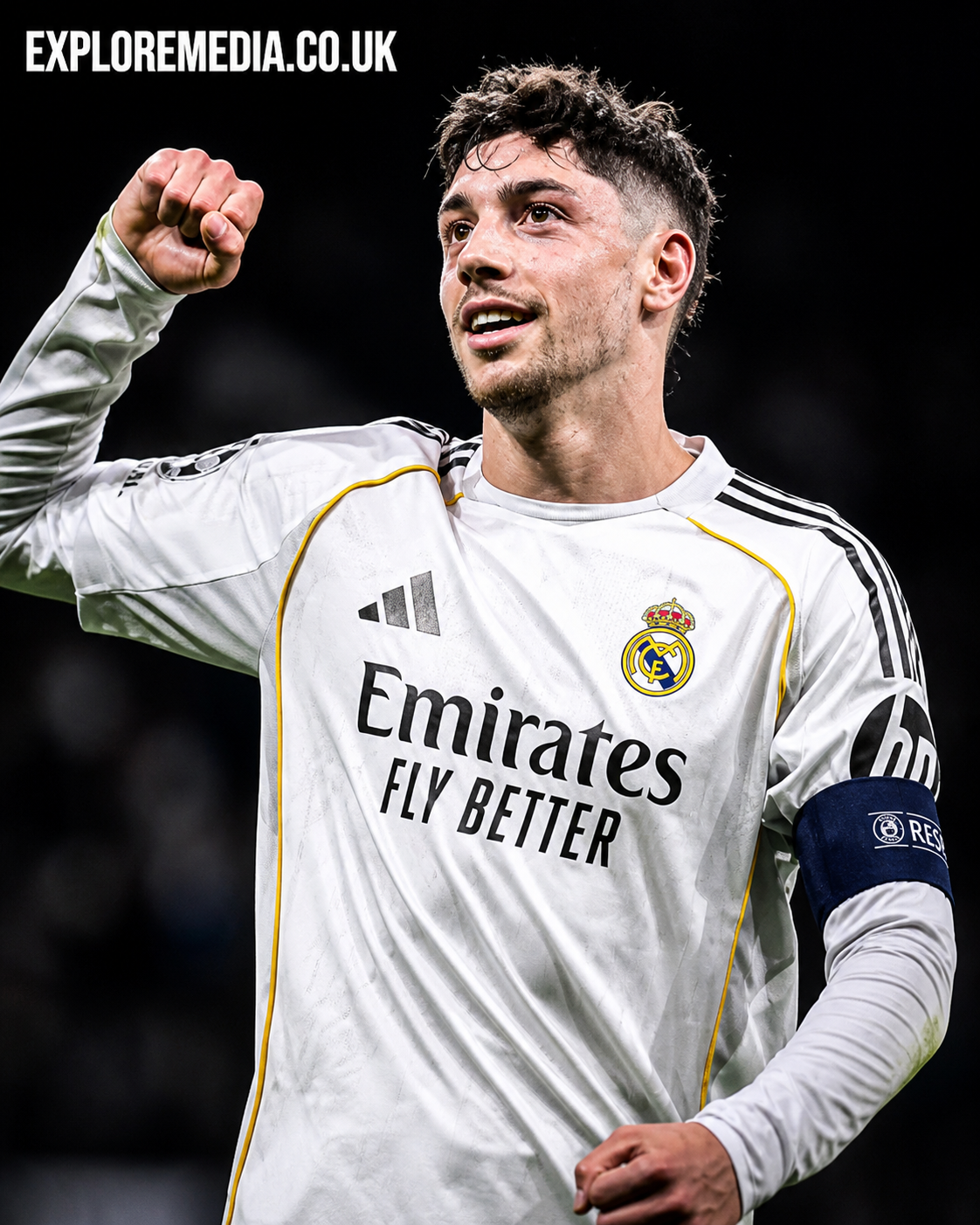
Introduction to Real Madrid
Real Madrid Club de Fútbol, commonly referred to as Real Madrid, was founded in 1902 and is based in Madrid, Spain. Since its inception, the club has grown to become one of the most renowned and successful football clubs globally, drawing millions of fans and supporters. This prestigious institution boasts a rich history filled with remarkable achievements, both domestically and internationally, which solidifies its position at the top echelons of the footballing world.
Real Madrid’s significance cannot be overstated, as it has long been a beacon of success in La Liga, the premier division of Spanish football. The club has won numerous league titles and domestic cups, establishing a legacy that has captivated football enthusiasts for over a century. Moreover, Real Madrid’s outstanding performance in European competitions, particularly the UEFA Champions League, has set the standard for excellence and ambition in the sport.
The club’s rich heritage is accentuated by its iconic stadium, the Santiago Bernabéu, which serves as the home ground for Real Madrid players. This venue has witnessed numerous memorable moments and is often filled to capacity with passionate fans, creating an electrifying atmosphere that champions the club’s spirit. Beyond the pitch, Real Madrid is also notable for its commitment to youth development and nurturing future talents, ensuring that its legacy continues to thrive in the coming generations.
As we delve deeper into Real Madrid’s history, it is essential to explore not only the trophies and accolades that have marked its journey but also the cultural and social impact the club has had on the global football landscape. The evolution of Real Madrid serves as a testament to the enduring nature of the beautiful game and the club’s unwavering pursuit of greatness.
Historical Background
Real Madrid, officially known as Real Madrid Club de Fútbol, was established in 1902 and has since carved a significant place in the annals of football history. The club’s inception was marked by the joint efforts of a group of football enthusiasts, notably including Juan Padrós, who, with a vision for a world-class team, laid the foundation of what would become a global sporting phenomenon. In 1920, Real Madrid was bestowed with the title of “Real,” meaning royal, by King Alfonso XIII, further solidifying its identity and elevating its status within the realm of football.
The early years of Real Madrid were characterized by challenges including financial struggles and competition from other clubs. Despite these obstacles, the team made significant strides in its formative years. The club secured its first major tournament victory in 1905, claiming the Copa del Rey, which marked the beginning of a successful trajectory in Spanish football. The foundation of La Liga in 1929 provided Real Madrid with an opportunity to further showcase its talent, and it promptly established itself as one of the dominant teams in the league.
As years passed, Real Madrid’s identity began to take shape, characterized by its values of ambition, excellence, and a commitment to producing world-class players. The club’s dedication to nurturing talent became evident with the rise of legendary figures such as Alfredo Di Stéfano and Ferenc Puskás during the 1950s, a period often referred to as the golden age of Real Madrid. The acquisition of these stars not only contributed to a plethora of domestic trophies but also helped to elevate the club’s profile internationally, paving the way to becoming a global footballing institution.
Iconic Players and Coaches
Real Madrid, one of the most storied football clubs in the world, has a rich history filled with remarkable players and influential coaches who have significantly contributed to its exceptional legacy. Among these, Alfredo Di Stéfano stands out as a pioneering figure. His versatility, skill, and leadership on the pitch helped to lay the foundation for Real Madrid’s identity as a dominant force in football during the 1950s and 1960s. With his ability to score and create chances, Di Stéfano not only captivated fans but also established a winning mentality that became synonymous with the club.
Another legendary figure is Raúl, a product of the Real Madrid youth academy. Throughout his illustrious career with the team, he became the club’s all-time leading goalscorer at the time, exemplifying consistency and loyalty. Raúl’s contributions went beyond just his scoring record; he embodied the spirit of Real Madrid and inspired many future generations of players both on and off the pitch.
In modern times, Cristiano Ronaldo redefined standards at Real Madrid, amassing numerous records and accolades during his tenure from 2009 to 2018. His extraordinary goal-scoring prowess and work ethic led the club to multiple UEFA Champions League titles, solidifying Real Madrid’s status as a European powerhouse. Ronaldo’s impact extended beyond trophies; his professionalism and commitment inspired teammates and raised the expectations for future stars at the club.
Coaching plays a crucial role in a club’s success, and Zinedine Zidane’s influence is undeniable. Leading Real Madrid to three consecutive Champions League titles from 2016 to 2018, Zidane’s tactical acumen and ability to manage high-profile players was instrumental in maintaining the club’s elite status. Zidane’s combination of technical knowledge and understanding of player psychology made him a respected figure within the club.
Major Achievements and Trophies
Real Madrid has cemented its legacy as one of the most successful football clubs in history through a plethora of remarkable achievements and trophy victories. Established in 1902, the club has consistently dominated both domestic and international competitions, earning a reputation for excellence that few can rival. In the Spanish league, known as La Liga, Real Madrid has secured the title a staggering 35 times, showcasing its long-standing prowess in domestic football. This impressive record is a testament to the club’s ability to maintain a high standard of performance over the decades.
In addition to its national triumphs, Real Madrid shines brightly on the European stage. The club has won the prestigious UEFA Champions League a record 14 times, making it the most successful team in the history of the competition. This dominance reflects not only skill and dedication but also underscores the club’s rich tradition of attracting and nurturing high-caliber talent, which has propelled them to consistent success in Europe. In recent years, high-profile players such as Cristiano Ronaldo and Sergio Ramos have significantly contributed to this legacy, leading the club to multiple European triumphs.
Real Madrid’s achievements extend beyond these titles, as the club has also claimed numerous additional trophies, including the Copa del Rey and the FIFA Club World Cup. This extensive haul of silverware is indicative of its competitiveness across all levels of football. The club’s relentless pursuit of glory has made it synonymous with success in the sport and has solidified its place as a powerhouse in footballing history. The pursuit of excellence continues to drive Real Madrid, inspiring future generations of players and fans alike.
The Santiago Bernabéu Stadium
The Santiago Bernabéu Stadium, named after the club’s legendary former president, has been the home of Real Madrid since its opening in 1947. This iconic venue is not just a structure; it embodies the club’s illustrious history and its deep roots in football culture. Originally designed to accommodate around 75,000 spectators, the stadium has undergone several renovations over the decades, now boasting a capacity of approximately 81,044, making it one of the largest and most renowned football stadiums in the world.
The stadium’s significance extends beyond its sheer size. It has hosted countless memorable matches, including UEFA Champions League finals, where Real Madrid has often showcased its dominance in European football. Notable events, such as the Copa del Rey finals and international fixtures, have further solidified Santiago Bernabéu’s reputation as a must-visit site for football fans. One of the most unforgettable moments occurred in 1980, when Real Madrid defeated Borussia Mönchengladbach in a thrilling UEFA Cup final, reinforcing the stadium’s status as a fortress for the club.
As a central hub for club culture and fan engagement, the Santiago Bernabéu Stadium serves as a gathering place for thousands of passionate supporters. Match days create a vibrant atmosphere, filled with chanting, celebrations, and deep emotional connections that reflect the values of Real Madrid. Furthermore, the club’s commitment to enhancing the fan experience is evident in the ongoing modernization plans, which aim to integrate cutting-edge technology and facilities to create an even more immersive environment.
In essence, the Santiago Bernabéu Stadium is not merely a home ground for Real Madrid; it is a symbol of the club’s legacy, a beacon for its fervent supporters, and a cornerstone of footballing history.
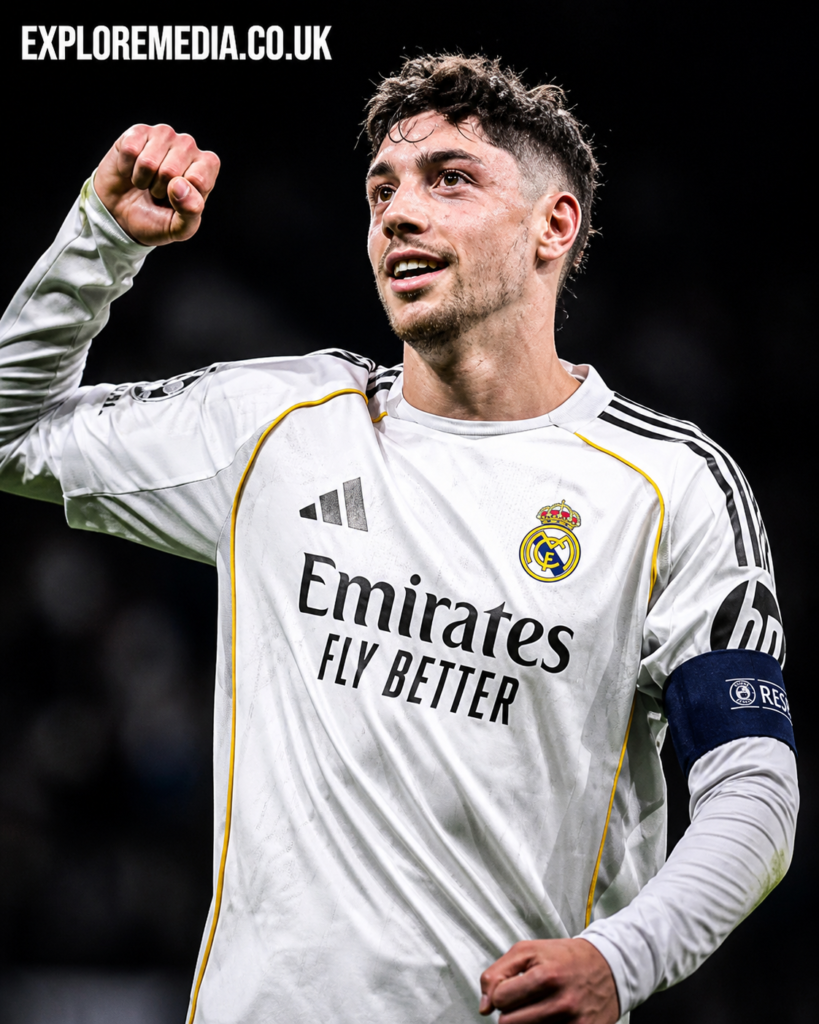
Rivalries in Football
Real Madrid, one of the most prestigious football clubs globally, possesses a rich tapestry of rivalries that not only define its footballing culture but also shape the landscape of Spanish football. The most notable of these rivalries is undoubtedly the clash with FC Barcelona, famously known as El Clásico. This matchup transcends mere sporting competition; it encapsulates a historical and cultural divide, representing differing political identities within Spain. The rivalry has evolved through the decades, intensifying with each encounter, and is frequently seen as a microcosm of the broader tensions in Spanish society.
Historically, Real Madrid has often been viewed as a symbol of the Spanish establishment, while Barcelona has positioned itself as a champion of Catalan identity and autonomy. This dichotomy creates a potent atmosphere during their encounters, with stakes that extend beyond the football pitch. Each El Clásico garners enormous attention, attracting millions of viewers worldwide, as fans witness not only a battle for supremacy in La Liga but also an exhibition of pride and passion.
Another significant rivalry for Real Madrid is with Atlético Madrid, known as the Madrid Derby. This competition is marked by its fierce intensity and local pride, as both clubs represent the heart of Spain’s capital. Despite Atlético Madrid historically being seen as the underdog in comparison to their more glittering neighbors, the competition has seen a resurgence, particularly in the last decade where Atlético has captured major titles and consistently challenged Real Madrid at the top of the league. The derby matches between these two clubs often exemplify not only fierce competition but also an embodiment of pride for the respective fan bases, further enriching the narrative of Real Madrid’s storied rivalries.
Community Engagement and Global Reach
Real Madrid, one of the most storied football clubs in history, has established a robust framework for community engagement and extending its influence beyond the pitch. The club recognizes the importance of connecting with its local community in Madrid, as well as its extensive global fan base. Through various outreach initiatives, Real Madrid focuses on promoting social values and fostering a sense of belonging among its supporters.
One of the key ways Real Madrid engages with the community is through the Real Madrid Foundation, which implements numerous social programs aimed at promoting education and personal development through sport. These programs primarily target underprivileged youth, providing them with opportunities to cultivate their talents and develop essential life skills. By prioritizing social impact, Real Madrid not only enhances the quality of life for many but also strengthens its ties with the local community.
On a global scale, Real Madrid has successfully maintained its brand appeal through meticulous marketing strategies and partnerships. The club organizes international tours and pre-season friendlies, allowing fans worldwide to experience the club’s rich culture and legacy firsthand. Additionally, the establishment of numerous official fan clubs across various countries helps maintain active engagement with supporters, reinforcing the idea that being a fan of Real Madrid transcends geographical boundaries.
Real Madrid also leverages social media and digital platforms to further engage with its fans. By providing exclusive content, behind-the-scenes access, and interactive experiences, the club strengthens its connection with millions of fans globally. This strategy not only keeps existing supporters invested but also attracts new fans to the Real Madrid family.
In conclusion, Real Madrid’s commitment to community engagement and its ambitious global outreach initiatives underscore its status as a leading footballing giant. By effectively blending local involvement with international appeal, the club continues to cultivate a legacy that resonates with football enthusiasts around the world.
Recent Performance and Future Prospects
In recent years, Real Madrid has continued to solidify its position as one of the dominant forces in European football. Their performance in domestic competitions has been commendable, securing multiple La Liga titles in a highly competitive landscape. Under the guidance of experienced management and a squad filled with both emerging talents and seasoned professionals, the team has achieved notable success, including a fierce rivalry with Barcelona, which remains one of the most anticipated fixtures in football.
On the European front, Real Madrid’s legacy in the UEFA Champions League has been further enhanced, with the club consistently progressing to the later stages of the tournament. Recent competitions have showcased the club’s resilience and tactical acumen, allowing them to compete with the best teams across the continent. The performance of key players has been instrumental in their pursuit of glory, defining critical moments in knockout games.
Looking towards the future, Real Madrid is set on maintaining its competitive edge. A significant aspect of their strategy involves careful player transfers, both in terms of acquiring established talents and investing in promising young players. The club’s youth academy, known as La Fábrica, remains a vital part of their long-term planning, with the organization committed to nurturing homegrown talents who can seamlessly integrate into the first team.
The strategic goals of Real Madrid are not merely focused on immediate success but include fostering a sustainable model that emphasizes both sporting excellence and financial viability. By balancing the need for high-profile signings with a strong recruitment strategy that prioritizes youth development, the club aims to maintain its status as a footballing giant for generations to come.
Conclusion
Real Madrid stands as one of the most illustrious clubs in the history of football, embodying a legacy that transcends generations. Founded in 1902, the club has continually set standards of excellence both on and off the pitch. With a rich history characterized by remarkable achievements, including numerous domestic league titles and Champions League trophies, Real Madrid represents the pinnacle of success in the sport. Its commitment to excellence, resilience, and innovation has not only gathered accolades but has also inspired countless players and fans worldwide.
The essence of Real Madrid goes beyond mere statistics; it is about the passion of its supporters, the artistry of its players, and the iconic moments that have etched themselves into the annals of football history. Legendary figures, such as Alfredo Di Stéfano, Ferenc Puskás, and more recently, Cristiano Ronaldo, have donned the famous white jersey, helping to solidify the club’s reputation as a powerhouse in global football.
Moreover, Real Madrid continues to adapt to the evolving landscape of modern football, emphasizing youth development through its academy and engaging with a global fan base through innovative initiatives. The club’s ability to maintain its competitive edge while fostering community involvement exemplifies its stature in contemporary sport.
In summary, Real Madrid is more than just a football club; it is a cultural phenomenon and a symbol of enduring legacy. As it forges ahead into the future, the impact and influence of Real Madrid will undoubtedly continue to resonate in the world of football, ensuring that it remains a central figure in the narrative of the sport.
READ MORE: https://exploremedia.co.uk/
