
Introduction to Pulsamento
Pulsamento, a term derived from the Latin root “pulsare,” encapsulates the essence of rhythm and life. Literally translated, it can mean “to pulse” or “to beat,” and this concept goes beyond the mere biological heartbeat. It signifies the rhythmic and dynamic forces that govern not only our physical existence but also permeate the realms of art, music, and emotion.
The origins of pulsamento can be traced back to various cultures that have sought to articulate the intrinsic movements of nature and the human experience. In many artistic traditions, pulsamento is represented as the breath of creation, where the ebb and flow of energies instill life into various forms of expression. This rhythmic quality, whether in a painting’s brushwork or the tempo of a musical composition, becomes a fundamental aspect that resonates with viewers and listeners alike.
When exploring the broader implications of pulsamento, one can see its relevance in disciplines beyond the corporeal. For instance, in literature, it often translates to the emotional rhythm of prose, where the cadence of words reflects the underlying heartbeat of the narrative. Similarly, in dance, pulsamento captures the essence of movement, representing the connection between body and rhythm that evokes visceral feelings in the audience.
In this light, pulsamento serves as a bridge linking various dimensions of life and creativity, reinforcing the idea that all forms of expression share a common pulse. Understanding this concept allows us to appreciate the interconnectedness of diverse artistic endeavors and our own lived experiences, ultimately underscoring the significance of rhythm as a vital component of existence. The exploration of pulsamento reveals its profound influence, shaping not only how we perceive art but also how we engage with the world around us.
The Significance of Pulsamento in Nature
Pulsamento plays a crucial role in the natural world, manifesting through rhythmic patterns that drive biological processes, environmental systems, and the interconnectedness of life. In biology, the pulsating rhythms can be observed in various organisms, where heartbeats, breathing rates, and even cellular processes exhibit a consistent ebb and flow. For instance, the heartbeat of mammals is a prime example, with the rhythmic contraction and relaxation of the heart facilitating the circulation of blood, thus sustaining life. The pulsating nature of these vital functions highlights the importance of rhythm in maintaining homeostasis and health.
Furthermore, environmental phenomena, such as the tides driven by lunar cycles, exemplify pulsamento in ecological systems, influencing the behavior of marine life and coastal ecosystems. Tides rise and fall in a predictable pattern, creating habitats that support diverse organisms, from intertidal mollusks to migratory birds. This rhythm not only sustains individual species but also perpetuates the intricate relationships within the wider ecosystem, showcasing how pulsamento is vital for ecological stability and resilience.
The concept of pulsating rhythms can also be reflected in plant life, where growth cycles align with seasonal changes. For instance, many trees exhibit a pulse of growth during spring, followed by a dormant phase in winter. These cycles are integral for adaptation to environmental conditions and resource availability. The rhythmic patterns of growth serve to synchronize plant life with their surroundings, ensuring survival and reproduction.
Overall, the significance of pulsamento in nature underscores the interconnected and dynamic nature of life. The rhythmic patterns found in biological, environmental, and ecological systems are foundational to the stability and functionality of both individual organisms and the ecosystems as a whole.
Pulsamento in Music and Rhythm
Pulsamento plays a fundamental role in the world of music, embodying the rhythmic energy that drives compositions across various genres. This pulsating rhythm, often reflected in the meter and tempo of a piece, functions as the heartbeat of music. Whether it is the steady beat of classical symphonies or the syncopated rhythms of jazz, pulsamento injects vitality into melodies, creating a connection between the audience and the performance.
Genres such as rock, funk, and electronic music showcase pulsamento through their distinct rhythmic patterns. In rock music, for instance, the unmistakable backbeat serves as a pulse that energizes both the musicians and listeners. Funk elevates this concept further with its intricate grooves, where the rhythmic interplay between instruments produces a compelling sense of motion. Similarly, electronic dance music relies heavily on pulsamento; the repetitive beats invite listeners to physically engage with the music, creating an immersive experience.
Several renowned compositions exemplify the significance of pulsamento. Igor Stravinsky’s “The Rite of Spring” is a remarkable demonstration of how rhythmic innovation can evoke powerful emotions. The primal beats and irregular accents encapsulate the essence of pulsamento, emphasizing the connection to both nature and life. In the realm of jazz, pieces like Miles Davis’s “So What” reveal the importance of rhythmic freedom, engaging the listener’s senses through the pulsating exchanges between instruments. These examples illustrate how pulsamento intertwines with the texture and spirit of music, enriching artistic expression.
In summary, pulsamento embodies the rhythmic heartbeat of music, manifesting through various genres and compositions that evoke controlled energy and connection. This vital rhythm not only underpins technical aspects of music but also serves as an emotional conduit, enhancing the entire musical experience.
Pulsamento in Art and Creativity
The concept of pulsamento is deeply embedded in various forms of art and creativity, transcending traditional boundaries and connecting various disciplines through rhythm and movement. Artists often draw upon this rhythmic essence to evoke emotion and connect with their audience at a profound level. In visual arts, the use of color, line, and form can reflect the transient nature of pulsamento. For instance, the dynamic brush strokes in an expressionist painting may mirror the heartbeat of the artist, conveying a sense of urgency and vivacity. Similarly, abstract art often encapsulates the idea of pulsamento through non-representational forms, inviting viewers to interpret the underlying rhythm in their unique way.
Literature also provides a fertile ground for exploring pulsamento. Authors might employ narrative techniques such as cadence, repetition, and varied sentence structures to create a rhythm that mirrors the emotional landscapes of their characters. Poetry, in particular, is an art form that thrives on this concept, where the meter and sound patterns breathe life into the words, creating an almost musical quality. The rhythm established by the cadence of stanzas can resonate with readers, reflecting the pulsating force of life itself.
In performance arts, the embodiment of pulsamento becomes even more tangible. Dancers interpret the rhythm of pulsamento through their movements, embodying a physical manifestation of the internal and external dynamics of life. The choreography can encapsulate various aspects of human experience, dancing between stillness and motion, evoking a sense of the heartbeat within the audience. Theatre, too, plays with the concept, where the timing of dialogues and the pacing of scenes contribute to the overall rhythm of the narrative.
Through these various mediums, artists actively engage with pulsamento, reflecting its role as a fundamental aspect of both creative expression and human experience. This exploration not only enhances artistic endeavors but also offers universal interpretations of life’s inherent rhythms.
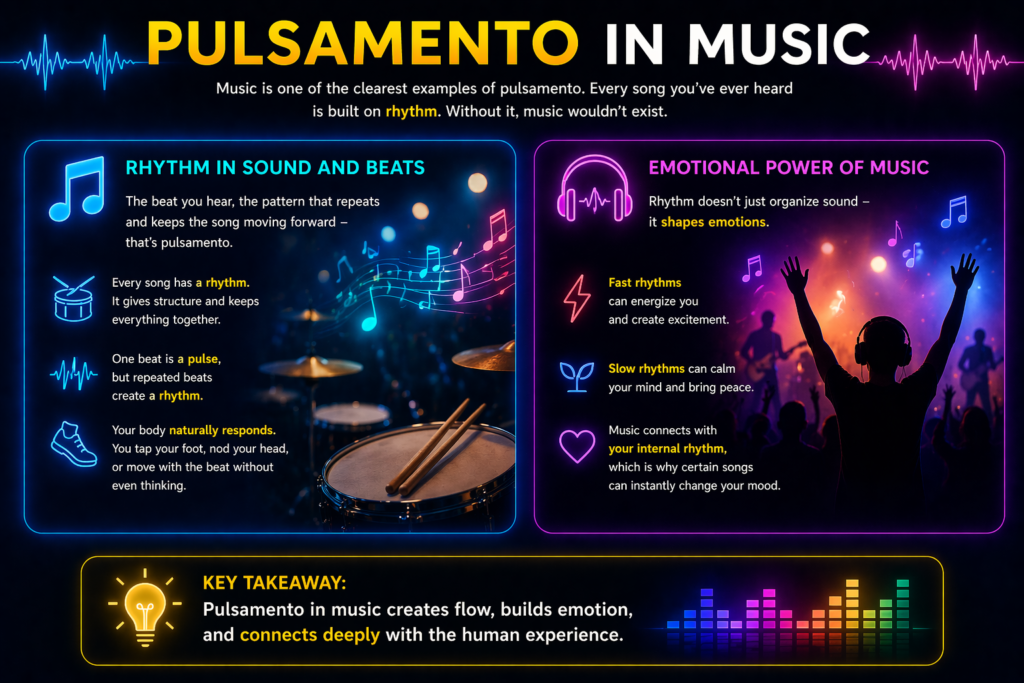
Pulsamento in Human Emotions and Experiences
Pulsamento, which translates to a rhythmic throbbing or beat, serves as a vital metaphor for understanding the complexities of human emotions and experiences. This concept reflects the intricate interplay between our physical sensations and emotional responses, emphasizing how they contribute to our perception of life. When we experience intense emotions such as joy or sorrow, there is often a noticeable pulsation within our hearts, correlating to the physical expression of these feelings. This connection illustrates that our emotions are not merely abstract concepts but are deeply rooted in our physical being.
In the realm of art, pulsamento is expressed through rhythm, movement, and energy, allowing artists to evoke feelings that resonate with the audience. For instance, a painting might pulse with vibrant colors that suggest vitality or a haunting emotional depth, while a musical composition can capture the essence of pulsating energy through tempo and dynamics. These artistic manifestations reflect the heartbeats of human experiences, resonating with viewers and listeners who instinctively understand the emotions being conveyed.
The concept of pulsamento further aligns with the notion of life itself. Every moment in our lives can be seen as a single pulse, contributing to the greater rhythm of our existence. From the excitement of milestones to the contemplative pauses during times of reflection, each experience adds to the continuous flow of our narrative. Moreover, the energy associated with pulsamento persists even in challenging times; our resilience can often be characterized as a pulsating force that propels us forward despite adversity.
In essence, pulsamento encapsulates the essence of being human. It is intertwined with our emotional landscape and demonstrates how our physical sensations echo the rhythms of our hearts and minds. Recognizing this connection allows us to appreciate the depth of our experiences and the way they shape our identity.
Cultural Interpretations of Pulsamento
The concept of pulsamento, defined as a rhythmic pulse or heartbeat, transcends mere biological functions and permeates various cultural narratives worldwide. In many societies, pulsamento symbolizes the essential life force, serving as a bridge between the physical realm and spiritual dimensions. This pulsating energy is often woven into folklore, mythology, and traditional practices, highlighting its diverse interpretations across cultures.
In Indigenous cultures, for example, pulsamento is frequently associated with nature’s rhythm—be it the cycles of the moon, the changing seasons, or the rhythm of human life itself. Many Indigenous stories depict the heartbeat of the Earth as an underlying force that connects all living beings. Rituals often aim to synchronize human energy with this natural pulse, fostering a sense of unity and reverence for the environment.
In contrast, ancient mythologies often personify pulsamento in deities associated with creation, fertility, and the cycle of life. In Greek mythology, for instance, the goddess Gaia embodies the pulsating energy of the Earth, illustrating how creation flows from a rhythmic heartbeat. Such narratives imbue pulsamento with an aspect of transcendence, linking it to themes of rebirth and regeneration.
Through traditional practices like dance, music, and art, many cultures express the essence of pulsamento. For instance, in African and Latin American music, the use of drumming rhythms embodies the pulsating energy of life, fostering collective participation and a deep connection among community members. These artistic expressions serve to embody and reinforce the cultural significance of pulsamento as a vital force in both individual and societal existence.
Thus, exploring the cultural interpretations of pulsamento provides insight into how various traditions encapsulate the profound relationship between rhythm, life, and energy. These diverse perspectives enrich the understanding of pulsamento, highlighting its universal significance while celebrating the unique interpretations borne from different cultural lenses.
The Psychological Impact of Pulsamento
The concept of pulsamento is not just confined to the realms of music and art; it extends profoundly into the realms of psychology. The rhythmic and pulsating features inherent in various forms of expression have been shown to significantly influence an individual’s emotional states and mental well-being. Through these pulsating patterns, individuals can experience a sense of connection and engagement that transcends the ordinary.
Sensory experiences that involve pulsamento can invoke specific emotional responses. For instance, rhythmic music that embodies pulsating beats has often been associated with elevated mood and increased motivation. Research indicates that exposure to such rhythmic stimuli can induce feelings of joy and relaxation, which subsequently fosters positivity in individuals’ mental states. This interaction between rhythm and mood is often utilized in therapeutic settings to promote healing and emotional recovery.
Moreover, pulsamento has implications for the enhancement of cognitive functions. The repetition inherent in rhythmic patterns aids in concentration and clarity of thought. This influence on mental acuity can be attributed to the way pulsating rhythms engage brain processes, enabling individuals to achieve a state of flow, where creativity and productivity flourish. Such effects illustrate how pulsamento transcends beyond mere aesthetic appreciation, acting as a catalyst for enhanced mental focus and emotional stability.
In considering the relationship between pulsamento and psychological well-being, it becomes evident that rhythmic elements play a vital role in shaping human experiences. The pulsations encountered in music, art, and nature can stimulate profound emotional responses, influencing our moods and motivations. As such, understanding these interactions provides valuable insights into how rhythmic elements can be harnessed to improve mental health and overall life satisfaction.
Practical Applications of Pulsamento in Daily Life
The concept of pulsamento, which encompasses the rhythm and flow intrinsic to both life and art, can be remarkably beneficial when integrated into our daily routines. By embracing this rhythmic essence, individuals can foster a more balanced and fulfilling lifestyle. Incorporating mindfulness techniques, meditation practices, and small lifestyle changes can significantly enhance one’s well-being.
A practical approach to infusing pulsamento into daily life begins with the incorporation of mindfulness. Mindfulness encourages a heightened state of awareness and presence in the moment. This can be practiced through simple exercises, such as taking a few moments each day to focus on one’s breathing. By paying attention to each inhalation and exhalation, individuals can develop a deeper connection with their internal rhythms, recognizing how their body responds to different stimuli.
Meditation is another powerful tool that embodies the principles of pulsamento. Regular meditation sessions, even if just for a few minutes each morning or evening, allow individuals to tune into their thoughts and emotions and embrace the ebb and flow of life. A common technique involves visualizing a pulsating rhythm within the body, envisioning energy flowing through like waves. This not only helps to calm the mind but also aligns one’s personal energy with the rhythms found in nature.
Moreover, making intentional lifestyle choices can further resonate with the idea of rhythmic living. This includes establishing a balanced daily schedule that alternates between periods of work and relaxation. Engaging in physical activities such as yoga or dance can also harness the sensibilities of pulsamento, promoting both physical health and emotional well-being. By recognizing and respecting the natural rhythms of one’s body and life, individuals can make choices that enhance their personal experience and create harmony within their environment.
Conclusion: Embracing Pulsamento
In concluding our exploration of pulsamento, it is evident that this concept extends beyond mere rhythm; it embodies the essence of life itself. Pulsamento can be observed within the beats of our hearts, the cycles of nature, and the creative processes that drive art and expression. By recognizing and understanding pulsamento, we can become more attuned to the dynamic interplay between ourselves and the world around us.
Throughout this blog post, we have examined the critical role of pulsating rhythms in various contexts—be it in the natural environment with its cyclical patterns or in the realm of art where creative energies ebb and flow. This rhythmic quality not only fosters connection but also encourages deeper contemplation about our own experiences and the rhythms that govern them.
Moreover, the appreciation of pulsamento invites us to reflect on our personal journeys and creative endeavors. It encourages us to embrace the spontaneity and fluidity of life as we explore the vibrant energies that inspire our artistic pursuits. Each moment carries a unique rhythm, and recognizing this can enhance our creativity and deepen our emotional responses.
As we part from this discussion, we hope to inspire readers to look for pulsamento in their daily lives. Whether it is in the rhythmic sound of footsteps on a busy street, the gentle sway of trees in the wind, or the heartbeat that fuels our passions, let us remain mindful of this omnipresent force. By embracing pulsamento, we open ourselves to a richer, more connected experience of life and creativity.
READ MORE: EXPLOREMEDIA.CO.UK
